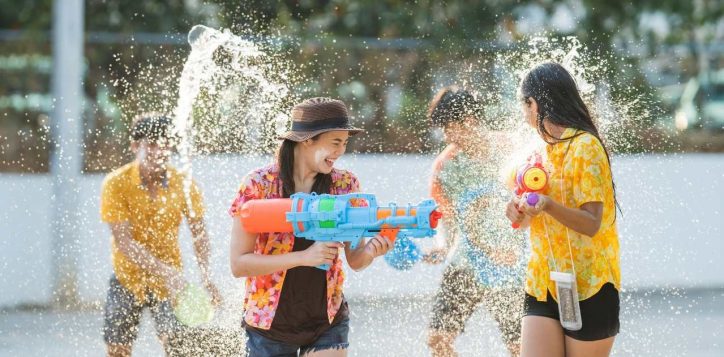
Movenpick BDMS Wellness Resort Bangkok - Luxury hotel - Songkran Festival Bangkok 2026



Songkran Festival Bangkok 2026
Songkran Festival Bangkok 2026 falls on Monday, 13 April and runs through Wednesday, 15 April 2026, with extended celebrations expected across Bangkok from 11–16 April. Thailand’s most significant cultural festival marks the traditional Thai New Year through water ceremonies, Buddhist rituals, and citywide celebrations that transform Bangkok into the world’s largest water festival.
Recognised by UNESCO as an Intangible Cultural Heritage in December 2023, Songkran carries deep spiritual meaning — the water symbolises purification, the washing away of misfortune, and a fresh start for the year ahead.
This guide covers everything you need to plan a memorable Songkran experience in Bangkok: the festival’s cultural significance, the best celebration zones across the city, major music festivals and events, practical tips for staying safe and comfortable, traditional ceremonies worth seeking out, and how to build recovery into your Songkran trip so you can celebrate fully and feel your best throughout.
What is the Meaning of Songkran? Purification, Renewal, and the Start of a New Year
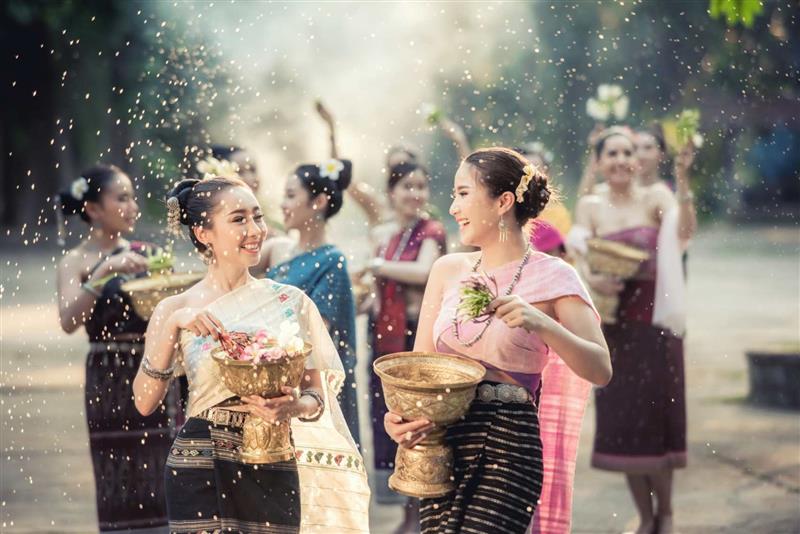
Songkran takes its name from the Sanskrit word Saṃkrānti, meaning the astronomical passage of the sun into a new zodiac sign. In Thailand, it marks the solar transit into Aries and the beginning of the traditional Thai calendar year. While visitors know Songkran for its spectacular street water fights, the festival’s roots run far deeper, into Buddhist purification rituals, family traditions, and a nationwide practice of spiritual renewal.
The three official days each carry a distinct meaning. April 13 is Wan Maha Songkran, or Grand Songkran Day, marking the end of the old year. In 2026, the presiding celestial maiden is Tungsa Devi. April 14 is Wan Nao, designated as National Family Day, a transitional day for preparation and gathering. The precise astrological moment of Maha Songkran occurs at 10:42:36 on this day. April 15 is Wan Payawan, when the new Thai year officially begins and merit-making activities take centre stage.
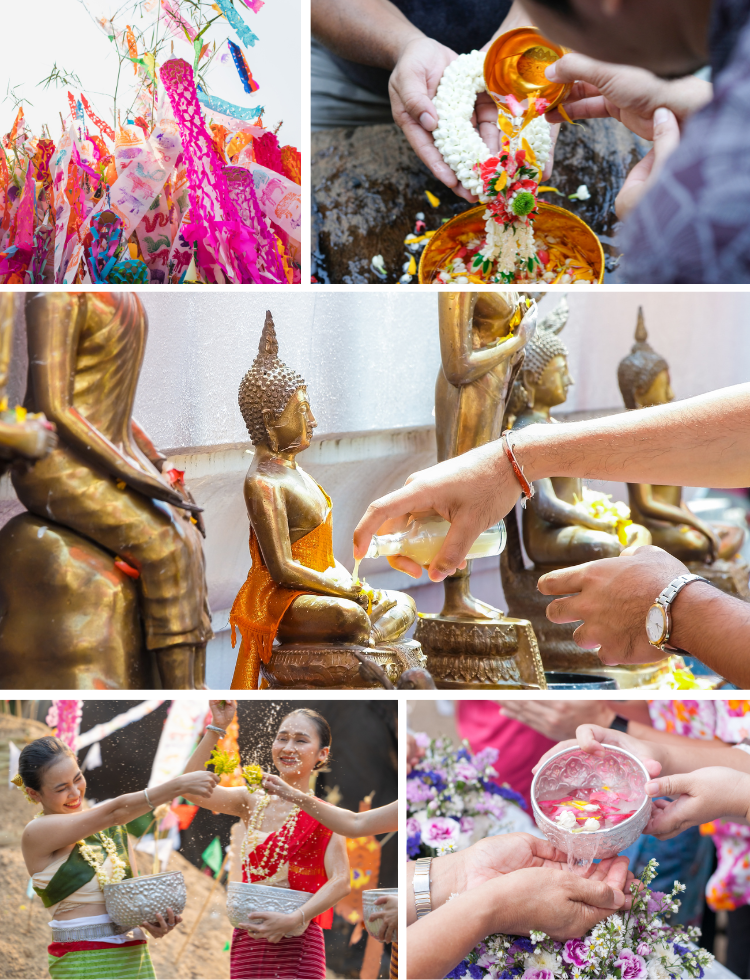
Water’s role in Songkran is deeply symbolic. The gentle act of pouring scented jasmine water over Buddha images (Song Nam Phra) and over the hands of elders (Rod Nam Dam Hua) represents purification, respect, and the desire for blessings in the coming year. Over time, these quiet ceremonies evolved alongside the exuberant street water fights that have become Songkran’s most visible expression. Both traditions coexist throughout the festival. Reverent mornings at temples give way to joyful afternoons of water play.
This theme of purification and renewal is what makes Songkran unlike any other festival. It is a collective reset, a moment when an entire nation pauses to wash away the old and welcome the new. Understanding this transforms the experience from a water fight into something genuinely meaningful.
Best Places to Celebrate Songkran 2026 in Bangkok
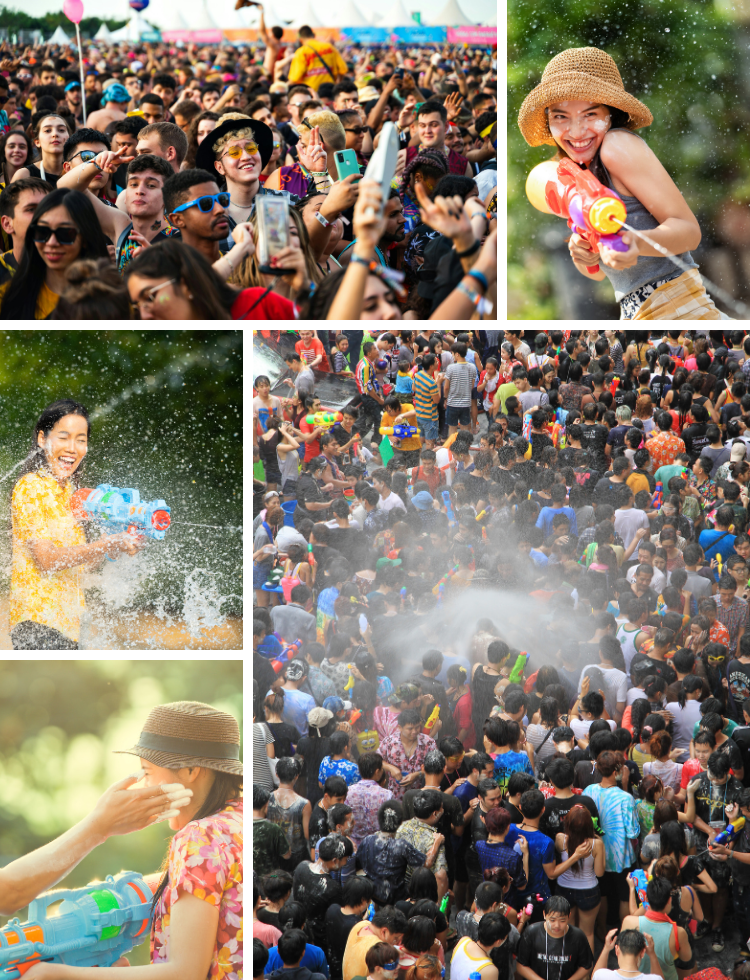
Bangkok offers dramatically different Songkran experiences depending on where you go. Choosing the right zone for your group (whether you are travelling as a couple, with children, or with friends seeking a full festival experience) is one of the most important decisions you will make. Here is a zone-by-zone breakdown, including transport connections from the central Ploenchit area.
Silom Road — Bangkok’s Biggest Songkran Party
Silom Road is Bangkok’s Songkran epicentre. The entire road closes to traffic from 10 am to midnight during April 13–15, filling with fire trucks spraying massive hoses, brand-sponsored booths, EDM stages, and hundreds of thousands of revellers armed with water guns. The atmosphere is unapologetically festive, with Silom known as one of the most LGBTQ+-friendly celebration zones in the city. Access via BTS Sala Daeng or MRT Silom, five BTS stops from BTS Ploenchit.
Khao San Road — The International Water Fight
Khao San Road runs its celebrations from 10 am to 11 pm and attracts the most internationally diverse crowd in Bangkok. Expect wall-to-wall water fights, foam parties, and the infectious energy of Bangkok’s backpacker district. The surrounding lanes fill with street food vendors and makeshift water-gun shops.
Siam Square and CentralWorld — Family-Friendly Festivities
For families and first-time visitors, the Siam Square and CentralWorld area offers a more controlled Songkran experience with organised events, live music stages, shopping retreats when you need a break, and moderate water play compared to Silom or Khao San Road. Major malls like CentralWorld and Siam Paragon host their own celebrations. Just two BTS stops from BTS Ploenchit, this is the most convenient zone for guests staying in the central Wireless Road and Ploenchit areas.
Sanam Luang and the Grand Palace Area — Cultural Heart of Songkran
Sanam Luang is where Songkran’s deepest traditions come alive. The (TAT) Tourism Authority of Thailand’s Maha Songkran World Water Festival is expected to run from April 11–15 at Sanam Luang and Ratchadamnoen Klang Avenue, featuring an eight-float Maha Songkran Parade, Khon classical theatre, Nora dance performances, a 1,200-drone light show between 7 and 8 pm, and Buddhist purification ceremonies. The Phra Phuttha Sihing Buddha image is paraded from the National Museum on April 13 for public bathing. This is the best zone for experiencing the heritage side of Songkran.
RCA (Royal City Avenue) — Music Festival Central
RCA transforms into Bangkok’s music festival hub during Songkran, anchored by the SIAM Songkran Music Festival. The area comes alive after dark and runs well past midnight. Accessible via MRT Phra Ram 9 followed by a short taxi ride, RCA is best suited for music fans and nightlife seekers who want to extend the celebration long after the water fights wind down.
Phra Pradaeng — The Quiet Alternative
About 20 kilometres south of central Bangkok, the Phra Pradaeng district celebrates a distinctive Mon-style Songkran with floral parades, traditional boat races, and a pace that feels worlds apart from Silom’s intensity. This is an excellent choice for families with children or visitors seeking a more authentic cultural immersion. The celebration typically runs one week after the main Bangkok festivities.
Songkran 2026 Music Festivals and Other Events
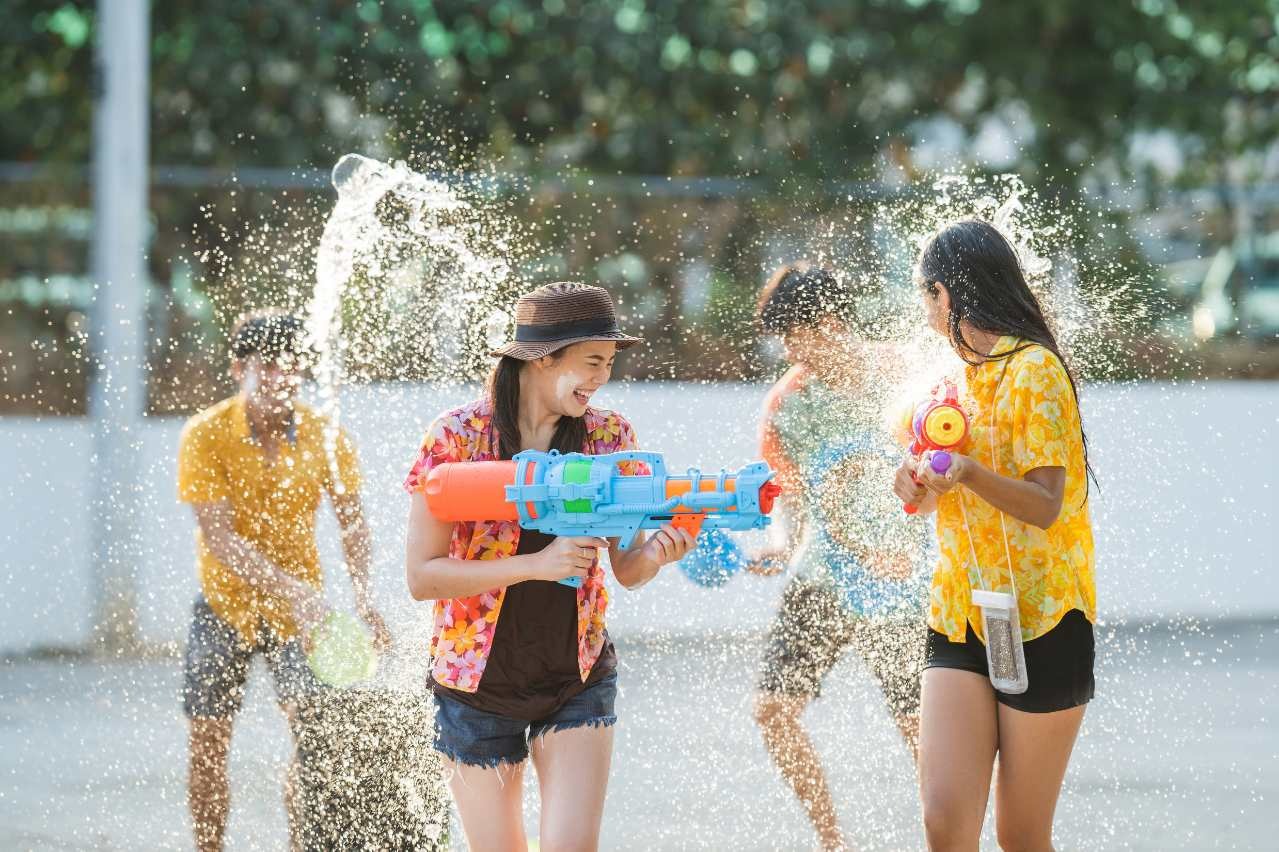
Bangkok’s Songkran season has grown into a major destination for international electronic music, with two flagship festivals drawing world-class headliners alongside the cultural celebrations.
S2O Songkran Music Festival (11–13 April)
Billed as the World’s Wettest Party, S2O takes place at S2O LAND on Ratchada Road near MRT Thailand Cultural Center. The festival combines massive synchronised water cannons with a world-class EDM lineup. The confirmed 2026 lineup includes Kygo, Zedd, Alan Walker, B2B, Steve Aoki, Lost Frequencies, Gryffin, and Don Diablo across three days. Tickets range from THB 1,700 for a single-day early-bird pass to THB 7,900 for a full three-day VIP pass. Entry is restricted to ages 20 and above. Tickets sell through Eventpop, and early-bird tiers sell out quickly.
SIAM Songkran Music Festival “The Melora” (11–14 April)
Held at Bravo BKK near RCA, SIAM Songkran is a four-day festival headlined by Martin Garrix, Marshmello, and John Summit, with additional acts including Agents of Time, Ben Nicky, and Slushii in the Phase 1 announcement. Four-day general admission passes start at THB 4,900 for early-bird pricing. The venue is accessible via MRT Phra Ram 9.
TAT Maha Songkran World Water Festival (Expected 11–15 April)
The government’s flagship cultural event at Sanam Luang and Ratchadamnoen Klang Avenue features an eight-float Maha Songkran Parade, Khon classical masked dance and Nora performances on main stages, a nightly 1,200-drone light show between 7 and 8 pm, and Buddhist purification ceremonies throughout. Entry is free.
Bangkok Water Festival — 10th Edition
The Bangkok Water Festival connects five historic royal temples — Wat Pho, Wat Arun, Wat Kalayanamit, Wat Prayurawongsawas, and Wat Rakang — via free river shuttle boats. Each temple hosts its own merit-making and cultural activities. This is one of the most atmospheric and accessible ways to experience Songkran’s spiritual traditions along the Chao Phraya River.
Songkran Guide: What to Wear, Pack, and Know Before You Go
Songkran preparation can make the difference between an unforgettable experience and an uncomfortable one. Bangkok in mid-April regularly exceeds 35°C with high humidity, and the water fights are far more intense than most first-timers expect. Here is what you need to know.
What to Wear During Songkran
Choose quick-dry fabrics like lightweight polyester, cotton, or linen. The colourful, floral Hawaiian-style shirt has become Songkran’s unofficial uniform and can be picked up inexpensively at Chatuchak Weekend Market or Platinum Fashion Mall. Wear swimwear underneath your clothes, as you will be thoroughly soaked within minutes. Avoid white clothing, denim (heavy and slow to dry), leather, and expensive jewellery. Wear waterproof sandals or water shoes with good grip rather than flip-flops, which are slippery on wet streets. For morning temple visits, bring a separate set of modest clothing that covers shoulders and knees.
Protecting Your Phone and Valuables
A PVC waterproof phone pouch with a lanyard is the single most essential item you need. These are available from street vendors for around THB 30 and from 7-Eleven or FamilyMart. Leave your passport, laptop, and expensive cameras in the hotel safe. A GoPro or action camera is ideal for Songkran photography. A dry bag (5–10 litre roll-top style) protects cash, a spare change of clothes, and other small items. Several convenience stores sell pre-packed Songkran kits that include a waterproof bag, a small water gun, and basic supplies.
Timing Your Songkran Experience
Water fights typically begin around 10–11 am and reach peak intensity between noon and 4 pm at major hotspots. April 13 is generally the most intense day of the festival. Before 10 am, Bangkok is calm enough for temple visits, errands, and a peaceful breakfast.
Silom Road’s celebrations run from 10 am to midnight, while Khao San Road operates from 10 am to 11 pm. After sunset, the experience shifts dramatically: cultural shows and the 1,200-drone light show at Sanam Luang run from 7 to 8 pm, the S2O and SIAM Songkran music festivals come alive, and Khao San Road’s bars and clubs continue well past midnight. Planning a mix of daytime water celebrations, afternoon recovery time, and evening cultural or music experiences gives you the best of everything.
Beyond the Water Fights: Songkran’s Sacred Traditions
The most meaningful Songkran experiences happen away from the water guns. These ceremonies are the spiritual heart of the festival and are open to visitors who approach them with respect.
Song Nam Phra — Bathing Buddha Images
Song Nam Phra is Songkran’s most spiritually significant ceremony. Worshippers visit temples to gently pour jasmine-scented water over Buddha images, symbolising purification and the hope for good fortune in the new year. The most important locations for Song Nam Phra in Bangkok are Wat Pho, Wat Arun, Wat Suthat, and Wat Bowonniwet. Arrive early in the morning (before 9 am) for a quieter, more contemplative experience. Dress modestly, remove your shoes before entering temple grounds, and do not bring or consume alcohol.
Rod Nam Dam Hua — Blessing Elders
Rod Nam Dam Hua is the ritual of pouring scented jasmine water over the palms of elders, such as parents, grandparents, teachers, and respected community figures. It is Songkran’s most important family tradition, symbolising gratitude and respect. Many Thai families travel home specifically for this ceremony. While it is primarily a private family ritual, some temples and cultural centres hold public Rod Nam Dam Hua ceremonies that visitors are welcome to observe or participate in.
Building Sand Pagodas (Chedi Sai)
Chedi Sai, or sand pagoda building, is a tradition rooted in the belief that worshippers carry small amounts of earth from temple grounds on their feet throughout the year. During Songkran, they return this earth by building small sand pagodas in temple courtyards, often decorating them with flowers, colourful flags, and incense. It is a peaceful, meditative activity that is especially engaging for families with children. Wat Pho and Wat Arun are popular locations for sand pagoda building during Songkran.
Merit-Making Activities
Songkran is one of the most important merit-making periods in the Thai Buddhist calendar. Morning alms-giving to monks, releasing captive birds and fish to earn merit, and the Nine Temple Challenge (visiting nine temples in a single day for exceptional good fortune) are all widely practised. The Phra Phuttha Sihing procession at Sanam Luang on 13 April, in which one of Thailand’s most revered Buddha images is paraded for public bathing, is Bangkok’s premier Songkran spectacle and draws enormous crowds.
Songkran Culinary Traditions: What to Eat During Thai New Year?
Songkran coincides with the peak of mango season and the hottest weeks of the year, giving rise to a culinary tradition centred on refreshment and seasonal abundance.
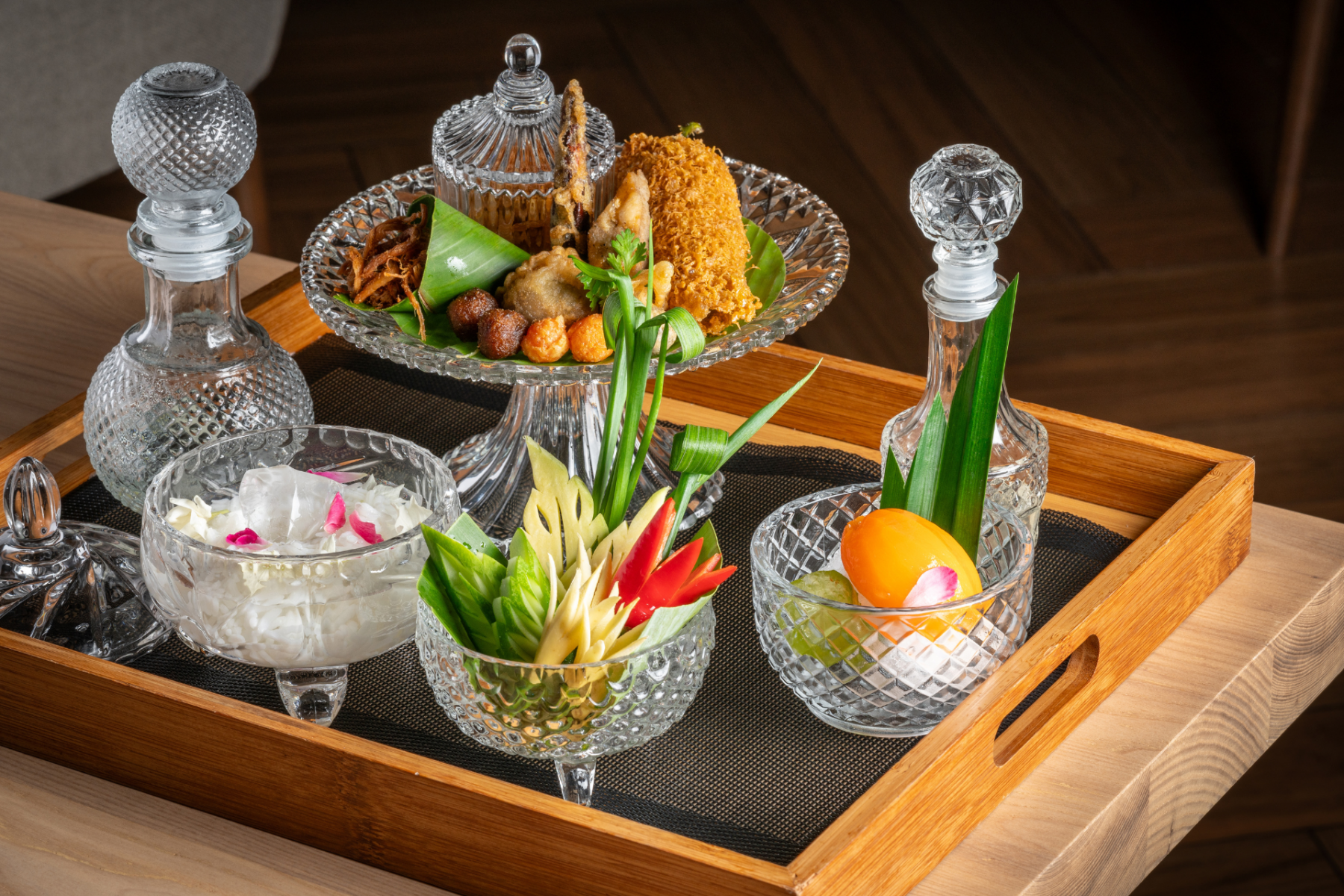
Khao Chae is the signature dish of the Songkran season. Originally a royal court recipe, it consists of chilled jasmine-scented rice served in cold floral water alongside an array of intricate side dishes: deep-fried shrimp paste balls, stuffed peppers, sweetened dried beef, and shredded radish. It is one of the most labour-intensive dishes in Thai cuisine and appears on Bangkok restaurant menus only during the Songkran period. Several hotel restaurants and fine-dining Thai establishments, such as Khum Hom at Mövenpick BDMS Wellness Resort Bangkok, offer seasonal Khao Chae menus during this period.
Mango sticky rice reaches its absolute best during Songkran, when the Nam Dok Mai and Ok Rong varieties of Thai mango are at their peak sweetness. Traditional Songkran sweets include Khanom Tom (coconut balls in syrup), Kalamae (palm sugar and coconut toffee), and Thong Yip (egg yolk sweets shaped into delicate flowers). Seeking out these seasonal specialities (whether at a hotel restaurant, a neighbourhood shophouse, or a temple food stall) adds a meaningful culinary dimension to your Songkran experience.
Why Staying at Mövenpick BDMS Wellness Resort Bangkok is the Smartest Songkran Base in Bangkok
Songkran is physically demanding in ways that catch most visitors by surprise. Hours spent in 35°C heat, intense UV exposure, navigating crowded streets while being continuously doused with water, and late-night music festivals leave even the most energetic travellers needing genuine recovery time. The smartest approach to Songkran is to balance full-throttle celebration with proper rest and recovery, and this is where your choice of hotel makes a real difference.
The Celebrate and Recover Approach
Songkran’s own traditions point the way. The festival’s ancient purification ceremonies (bathing Buddha images, pouring scented water, building sand pagodas) are all acts of renewal. In the same spirit, building wellness and recovery into your Songkran itinerary transforms the experience. Mornings at temples for spiritual renewal, afternoons in the thick of the water fights, and evenings recovering with spa treatments, healthy food, and restorative sleep is a rhythm that lets you participate fully without burning out.
Location — Festival Access Meets Urban Retreat
Mövenpick BDMS Wellness Resort Bangkok sits on Wireless Road in Bangkok’s central Pathum Wan district, just 600 metres from the BTS Ploenchit Skytrain Station with a complimentary hotel shuttle. This places guests just two BTS Skytrain stops from the family-friendly Siam Square and CentralWorld celebrations and five stops from Silom Road’s main water-fight zone. The adjacent Saphan Wittayu Canal pier also offers a water-based route almost direct to Khao San Road.
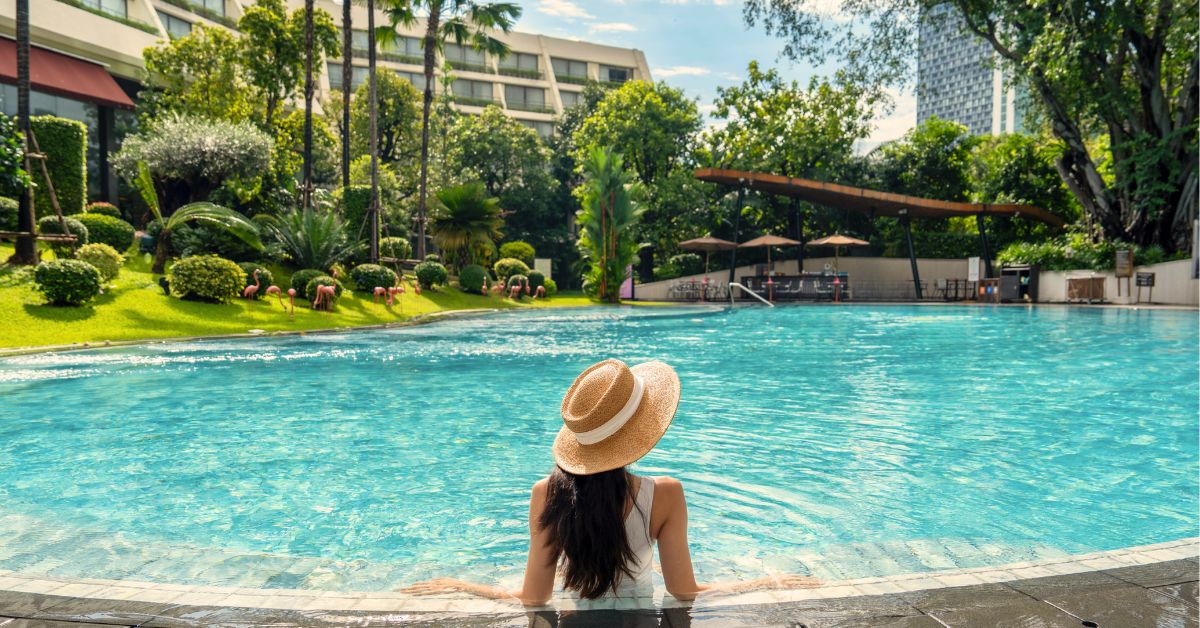
Back at the hotel, the contrast is striking. The property’s spacious tropical gardens and saltwater swimming pool create a genuine resort-within-the-city feeling, a calm sanctuary to return to after the intensity of the celebrations.
Post-Songkran Recovery at Be Well Spa
Be Well Spa, voted among the Top 5 Hotel Spas in Thailand at the Travel+Leisure Luxury Awards Asia Pacific 2024, is purpose-built for the kind of recovery Songkran demands. The 771-square-metre spa features Himalayan Salt Sauna Rooms for deep muscle relaxation after hours in the heat, an Ice Room for rapid cooldown and inflammation relief, and a Dry Flotation Bed for full-body restorative relaxation. After a day of water fights, sunburn, and sensory overload, these are not luxuries; they are practical recovery tools.
A Songkran Hotel for Families
Families travelling with children will find the combination of the hotel’s spacious Family Suites (with bunk beds), a dedicated children’s playroom, and direct BTS Skytrain access to the family-friendly Siam Square district makes it an especially practical Songkran base. The saltwater pool and tropical garden grounds offer a safe and calm space for young children to play between celebrations, and the proximity to temples for morning Song Nam Phra ceremonies makes it easy to experience the cultural side of Songkran at a gentle pace.
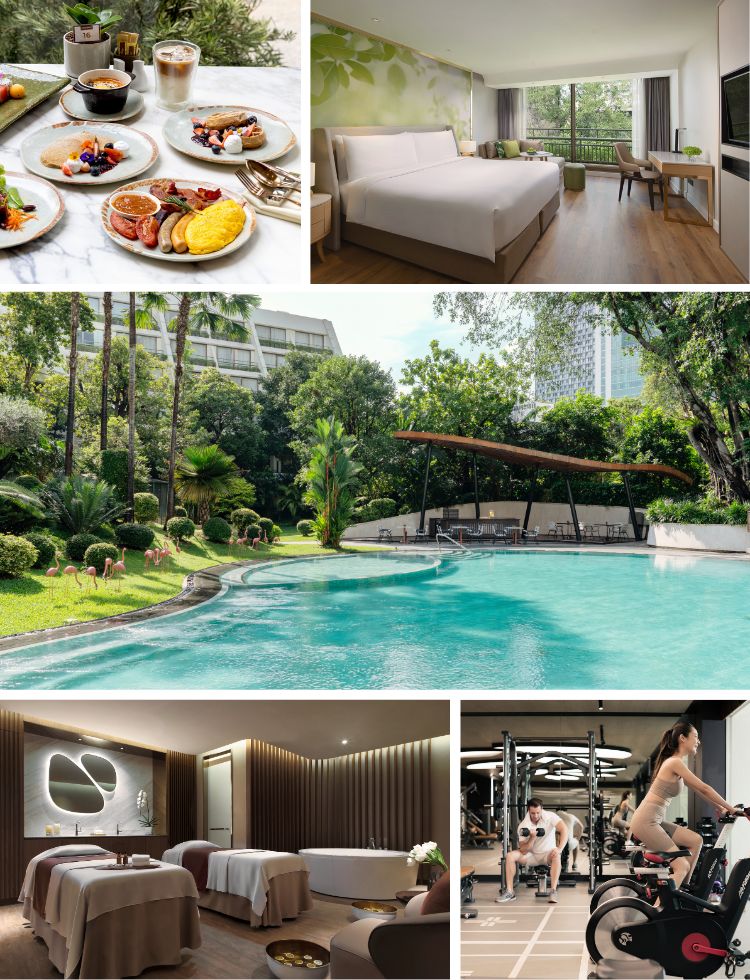
Mövenpick BDMS Wellness Resort Bangkok is a 211-room wellness hotel on Wireless Road in Bangkok’s Pathum Wan district, connected to the BDMS Wellness Clinic and located 600 metres from BTS Ploenchit Skytrain Station.
Access
Movenpick BDMS Wellness Resort Bangkok ☆☆☆☆☆
2 Wireless Road, Lumpini, Patumwan, 10330 Bangkok
Thailand
Tel: +66 2 666 3333
Fax: +66 2 666 3334
Email:
resort.bdms.info@movenpick.com